
Pro-active, Positive and Restorative Behavior Management
The PHOENIX BEHAVIOR PROGRAM was created using the Positive Behavioral Interventions and Supports (PBIS) program, which is a proactive approach schools use to improve safety and encourage positive behavior. Instead of focusing on punishment, we emphasize prevention and teaching behavior expectations and skills to all students, therefore creating a learning environment that is safe and ensuring that members of the school community are valued. The best way to foster positive behavior is to be pro-active in creating a structure and environment that promote positive behavior. Behavior modification procedures employed should be educational in nature, designed to teach good behavior, rather than a reaction to inappropriate behavior. Behavior management should be applied in a fair and consistent manner. Students who demonstrate positive behaviors should be recognized and appreciated.
If consequences can be avoided and instead be replaced by a teachable moment, that is the goal. Any consequences given should be well thought through, appropriate to the student’s age, and fitting for the situation. Consequences should be restorative in nature, such as making an apology or repairing damage done. Consequences should never embarrass or be mentally harmful to the child. Physical forms of punishment are never employed at ISNS.
If disciplinary action is taken, it is to ensure all students can enjoy learning in an environment free from distraction and intimidation. Disciplinary action will involve consideration for individual circumstances within the context of respect for the safety and well-being of the entire school community.
Teachers must do their best to address and resolve behavior issues that come to their attention. The appropriate Administrator in consultation with the Head of School will have the responsibility to make the final decision in relation to consequences for severe inappropriate behavior that violates the student code of conduct.
CORE PRINCIPLES:
- Students must be explicitly taught behaviour expectations.
- Early intervention can prevent more serious behaviour problems.
- Behaviour instruction should be research-based and adaptable to individual needs.
- Schools track and use data to guide interventions.
THREE TIERS OF SUPPORT:
- Tier 1: Universal support for all students, teaching basic behaviour expectations and rewarding positive behaviour.
- Tier 2: Targeted support for students struggling with specific behaviours, using evidence-based strategies.
- Tier 3: Intensive, individualized support for students with ongoing behavioural challenges.
COMPARISON TO TRADITIONAL DISCIPLINE
| POSITIVE BEHAVIORAL INTERVENTIONS AND SUPPORTS (PBIS) | TRADITIONAL |
| Views behavior as a form of communication. The focus is on understanding why a behavior occurs and addressing its root cause. | Often focuses on the behavior itself, not its underlying cause. Misbehavior is typically addressed through punitive measures like detention or suspension. |
| Prioritizes prevention and teaching appropriate behavior. Schools actively teach and model positive behaviors, just as they would academic skills. | Focuses on punishment as a response to misbehavior, expecting students to learn from consequences without direct instruction on how to improve. |
| Encourages logical and restorative consequences. Students learn to understand the impact their actions have on their peers. | Punitive responses like detention, suspension, or expulsion are common. These often don’t involve teaching or restorative practices. |
| Builds positive relationships between students, teachers, and peers. The goal is to create a supportive environment where students feel respected and motivated to behave appropriately. | Interactions between staff and students are often disciplinary in nature, which can create adversarial relationships. |
| Rewards (such as praise, tokens, or privileges) are used to reinforce positive behavior. This aims to motivate students and build habits of good behavior. | Rewards are rarely used. The focus is on negative consequences to discourage bad behavior. |
| Recognizes that each student is different | Applies the same rules and consequences to all students, often without considering individual needs, circumstances, or behavioral challenges. |
| Schools collect and analyze data on student behavior to monitor progress and refine interventions. This ensures that strategies are effective, and evidence based. | Rarely uses data to inform decisions. Decisions are often reactive and not systematically tracked. |
| Proven to reduce detentions, suspensions, and bullying while improving academic performance and school climate. It fosters intrinsic motivation by teaching self-regulation and problem-solving skills. | This often leads to repeated misbehavior, higher suspension rates, and a negative school climate. Punishment alone doesn’t teach students how to behave positively. |
EXPLANATION OF TIERS
| Examples of Behaviors | Examples of Interventions/Support | Examples of Consequences | |
| Tier 1: General Developmental Behaviour These behaviors are part of the normal development and learning process. They are usually addressed through skill teaching, redirection, and relationship-building strategies. | Arguing Defiance/Non-compliance Disruptive behavior in class Frequent bathroom breaks or long absences Off-task behavior Tardiness Teasing Running in the hallway Uniform violations Being unprepared | Verbal reminders and redirection Private teacher conferences Relationship-building strategies Problem-solving discussions Preferential seating Homework Club for reflection Parent communication for repeated behaviors | Verbal or written reflections Amends made with peers Documentation on ManageBac Warnings and redirection |
| Tier 2: Targeted behaviors These behaviors often require targeted interventions and accountability for students at risk. They may represent consistent repetition of Tier 1 behaviors or intentional disruptions. | Repeated Tier 1 behaviors Academic misconduct Extreme or intentional disruptions Disrespectful behavior Physical fighting (minor altercations) Touching others inappropriately (non-sexual) Sexual harassment (verbal) Technology misuse Eloping/fleeing from class Theft Intentional damage to property | All Tier 1 interventions/support Detention Restorative practices with teachers or peers Written reflections and restorative discussions Counsellor referrals for emotional or behavioral support Parent meetings for collaboration and support planning | Detention and student reflections Restorative practices Internal suspensions External suspensions (starting from 2 depending on severity) Documentation on ManageBac Principal involvement and referrals for repeated or severe cases |
| Tier 3: Severe or Individualized behaviors These behaviors require individualized interventions, as they are more severe and impact the safety and well-being of the community. | Repeated Tier 2 behaviors Bullying (including cyberbullying and stalking) Physical attacks or major altercations Hate speech Possession of dangerous or prohibited items (e.g., tobacco, vaping, alcohol, betel nut or drugs) Sexual harassment (physical or indecent exposure) Self-harm Truancy | All Tier 1 and Tier 2 interventions/support Safety plans for perpetrators and victims External expertise or counselling as needed Mediation sessions and strategic scheduling to avoid conflicts Behavior contracts with families | External suspensions (ranging from 2 to 10 days or more depending on severity) Expulsion for the most severe cases Mandatory parental involvement (including meetings and behavior contract agreements) Documentation on ManageBac (visible and with detailed descriptions of incidents) Withdrawal from school events, activities, or sports for certain behaviors |
Student Agency
Students are encouraged, taught and expected to manage their own behavior as much as they are capable of doing at their age and developmental level. In addition to the IB Learner Profile, a number of tools have been developed in the PYP in order to support students with their self-regulation and problem-solving.

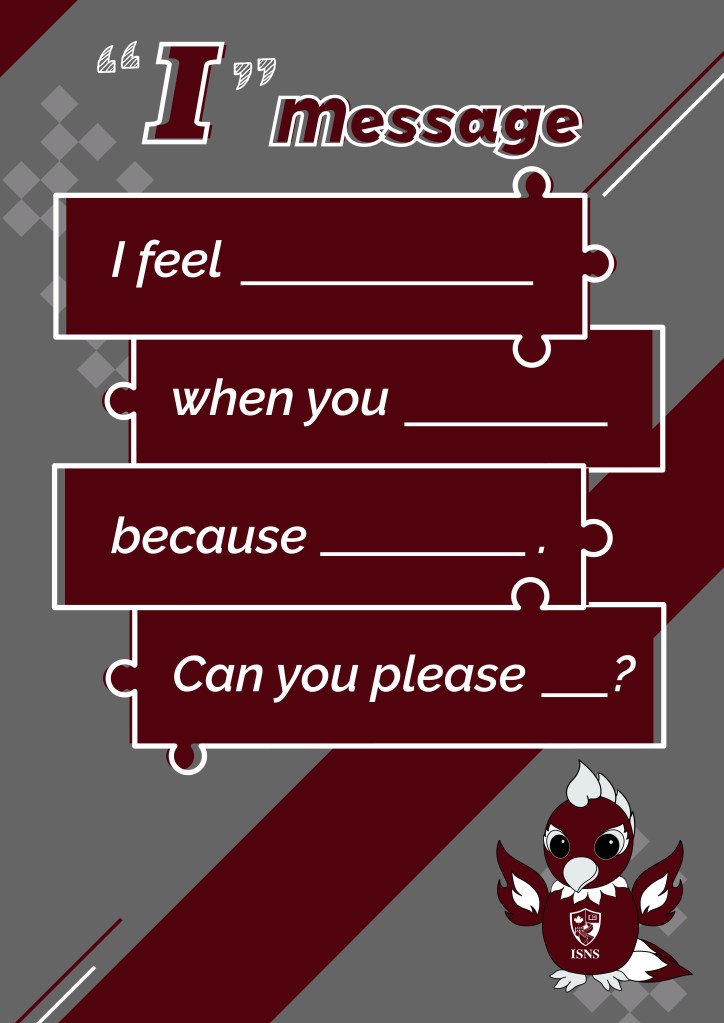
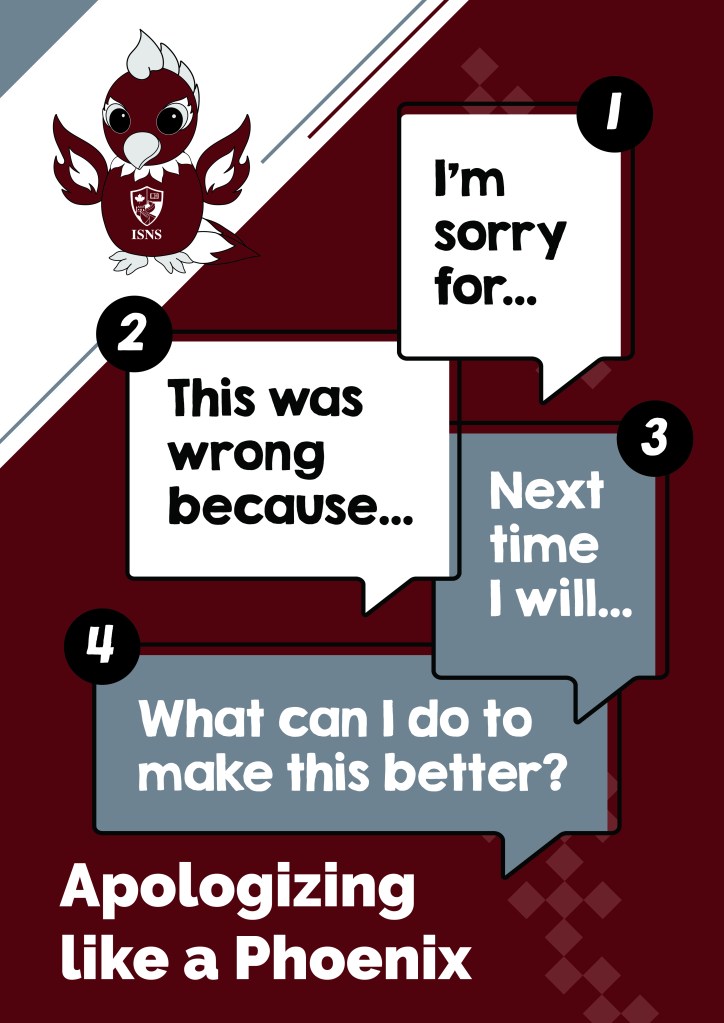
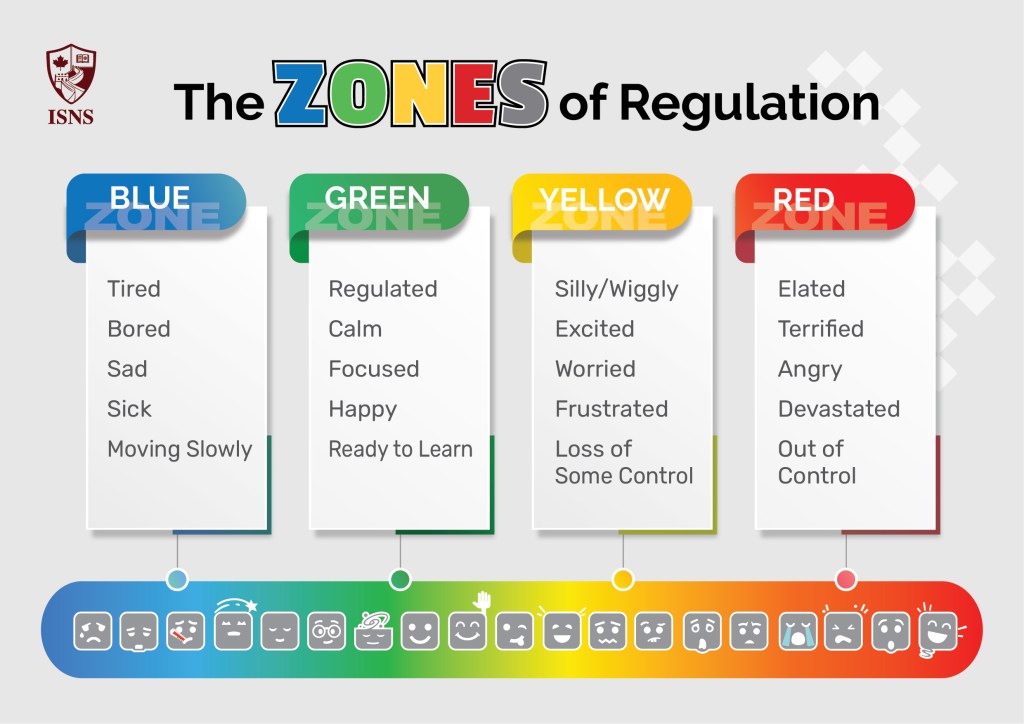
Our Goal:

 ISNS FACULTY